
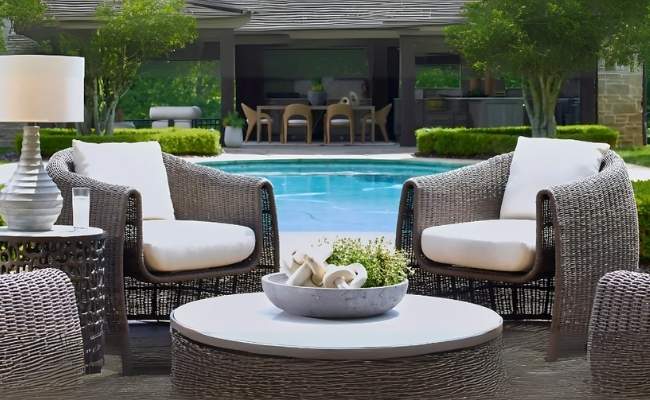

Accent Stools: A Buying & Styling Guide for Every Room
Accent stools are one of the easiest ways to add flexible function: use them as extra seating, a small drink perch, a footrest, or a sculptural layer in a room that needs one more finished detail.
Quick-start checklist
Choose the job first
- Extra seat: choose a stable base and a comfortable top.
- Side table: choose a flatter top and style it with a tray.
- Footrest: keep the height close to your chair or sofa seat.
- Decor: prioritize shape, finish, and negative space.
Measure the surrounding pieces
- Next to seating, aim for a stool height within about 2 inches of the seat height.
- In an entryway, leave enough walking space so the stool helps instead of blocking traffic.
- For a drink perch, a round or flat top is easier to use every day.
Designer rule of thumb: Repeat one finish from the room, such as warm brass, matte black, natural wood, or a blue-green accent, so the stool feels intentional instead of random.
Size and height
Most accent stools sit in the 16 to 20 inch height range. That makes them flexible enough to move around, but the best size depends on whether you want seating, a footrest, or a compact side table. For more room planning, compare accent chairs, benches, and accent tables before you choose.
| Use | What to look for | Best placement |
|---|---|---|
| Extra seating | Stable base, comfortable top, easy-to-move scale. | Living rooms, bedrooms, and gathering areas. |
| Side table | Flatter top with enough surface for a tray. | Beside a sofa, accent chair, or bed. |
| Footrest | Soft top and a height close to the chair seat. | Reading corners and lounge chairs. |
| Decor | Interesting silhouette, texture, or color. | Entryways, corners, shelves, and open floor gaps. |
Materials and finishes
Wood
Best for warmth, natural texture, and a collected look. Pair wood stools with woven rugs, linen, or warm lighting.
Metal
Best for contrast and cleaner modern rooms. Repeat the finish in nearby lighting, hardware, or mirrors.
Ceramic garden stools
Best for polished color and sculptural form. They work especially well as compact side tables.
Upholstered tops
Best for comfort. Use a tray if you also want the piece to work as a small table.
Where accent stools work best
- Next to an accent chair: use a stool as a drink perch or flexible footrest.
- In a living room corner: place one under a floor lamp to make the corner useful.
- Beside the bed: a stool can replace a bulky nightstand in tight bedrooms.
- In an entryway: it gives guests a convenient seat without taking up much room.
- Near wall decor or mirrors: repeat a shape or finish for a more curated vignette.
Featured Modest Hut picks
These product cards use active product pages and verified current images.


Want more options? Start with the full Accent Stools collection, then compare bar stools, counter stools, and benches and stools on sale if you need a different height or use case.
FAQ
What is an accent stool used for?
Accent stools are flexible small-scale pieces used as extra seating, compact side tables, footrests, plant stands, or decorative accents.
Can an accent stool be used as a side table?
Yes. Choose a flatter top and add a tray if you plan to use it for drinks, books, or small decor.
How tall should an accent stool be?
Most accent stools are around 16 to 20 inches tall. For a footrest or seating companion, keep the height close to the chair or sofa seat height.
How do I style an accent stool so it looks intentional?
Repeat one finish, color, or shape from the room and keep the top simple. A tray, one book stack, or no decor at all is usually enough.

Written by Barrett Woodward




Leave a comment
This site is protected by hCaptcha and the hCaptcha Privacy Policy and Terms of Service apply.