
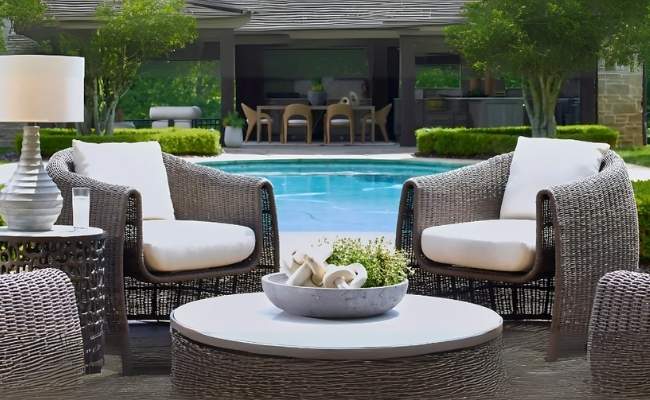


Accent Stools: A Buying & Styling Guide for Every Room
Interior design guide
Accent stools are the easiest “move-anywhere” piece in a home: extra seating when guests show up, a compact side table next to a chair, or a sculptural accent that fills an awkward corner without adding clutter.
Quick-start checklist (pick the right stool in 2 minutes)
1) Decide the job
- Extra seat: choose a stable base and a comfortable top.
- Side table: prefer a flatter top, and plan for a tray.
- Footrest: match height to the seat and keep edges soft.
- Pure decor: prioritize shape, finish, and negative space.
2) Measure what it sits next to
- Next to a sofa or chair: aim for stool height within ~2" of the seat height for a cohesive look.
- As a side table: keep the top close to the arm height (or slightly lower) so it’s easy to set down a drink.
- In an entryway: make sure there’s clear walking space—18–24" of clearance is a good target.
Designer rule of thumb: If you want your stool to look like it “belongs,” tie it to one existing finish in the room (warm brass, matte black, natural wood, or a blue/green accent) and keep the silhouette intentional—either very simple or clearly sculptural.
Size & height: what “fits” actually means
Most accent stools land in the 16–20" tall range, which makes them flexible: low enough to tuck in, tall enough to use as a perch, and proportionate next to most living room seating. The part people miss is top size—a wider stool reads more like a side table, while a smaller top reads more like a sculptural accent.
| Use | What to look for | Common sizing notes |
|---|---|---|
| Extra seating | Stable base, comfortable top, easy-to-move weight for your household. | Heavier stools feel grounded; lighter stools move easily when entertaining. |
| Side table | Flatter top; plan to style with a tray to prevent wobble. | Round tops soften corners in tight pathways. |
| Footrest | Soft top and height that’s close to the chair seat height. | Too tall feels awkward; too short looks accidental. |
| Decor / sculpture | Interesting silhouette, negative space, or a standout finish. | Use one bold piece per vignette; let it breathe. |
Materials & finishes (and how they live)
Accent stools get touched, moved, and “reassigned” more than most furniture—so material matters. Here’s how to choose based on your lifestyle and the look you want.
Wood
Best for warmth, texture, and a natural, collected look.
- Pros: visually warm; easy to blend with other wood tones.
- Watch for: natural variation and movement with humidity—especially solid wood pieces.
- Style tip: pair a wood stool with one other organic element (linen, jute, woven texture) so it feels intentional.
Metal
Best for contrast and a tailored, modern finish story.
- Pros: crisp lines; works beautifully with black, brass, and mixed metals.
- Watch for: hard edges if it’s mainly a footrest or frequent seat.
- Style tip: repeat the metal finish once—on a frame, lighting, or hardware—so it reads curated.
Ceramic “garden stool” styles
Best for sculptural color + a glossy, high-impact moment.
- Pros: doubles as a side table; instantly adds polish.
- Watch for: weight and fragility—place thoughtfully if you have kids/pets.
- Style tip: use ceramic near softer textures (bouclé, wool, linen) for balance.
Upholstered / cushioned tops
Best for comfort and a “soft landing” feel.
- Pros: comfortable perch; excellent footrest option.
- Watch for: if you plan to use it as a table, style with a stable tray.
- Style tip: match upholstery tone to your rug or drapery for a quiet, cohesive look.
Where accent stools work best (and what to put on them)
Think of an accent stool as a “design wildcard.” It can solve dead corners, add a place to set a drink, or give you flexible seating without committing to another chair.
- Next to an accent chair: use it as a drink perch + footrest combo. Add a small tray and one object (a candle, a petite vase, or a book).
- In a living room corner: place a stool under a floor lamp to give the corner a purpose. Keep the top mostly clear so it doesn’t look cluttered.
- Beside the bed: a stool can replace a bulky nightstand in tight bedrooms. Choose a stable, flatter top and keep decor minimal.
- In an entryway: an accent stool makes putting on shoes feel polished. Add a small tray for keys if it’s sturdy enough, or keep it as seating only.
- In a bathroom: a stool can hold towels or a small basket—just keep it away from direct water exposure.
Keep it from looking “random”: Use the stool to repeat a shape that’s already in the room (round mirror, arched lamp, cylindrical vase) or repeat a finish (black metal, warm brass, natural wood).
4 styling recipes that always look intentional
Recipe 1: The “drink + book” side table
Best for: living rooms, reading corners
- 1 small tray
- 1 book (or a slim stack)
- 1 low object (candle or small bowl)
Recipe 2: The sculptural moment
Best for: minimalist spaces, modern rooms
- Nothing on top (seriously)
- Let silhouette + finish do the work
- Pair with one clean-lined lamp or plant nearby
Recipe 3: The soft footrest
Best for: lounging areas
- Choose a cushioned top
- Keep surfaces around it light—avoid crowding with extra ottomans
- Match to one textile (rug, throw, or pillow) for cohesion
Recipe 4: The entryway helper
Best for: foyers, hallways
- Place stool near a wall (not in the walkway)
- If you add anything, keep it to one catch-all tray
- Repeat a finish from your nearby mirror, lighting, or hardware
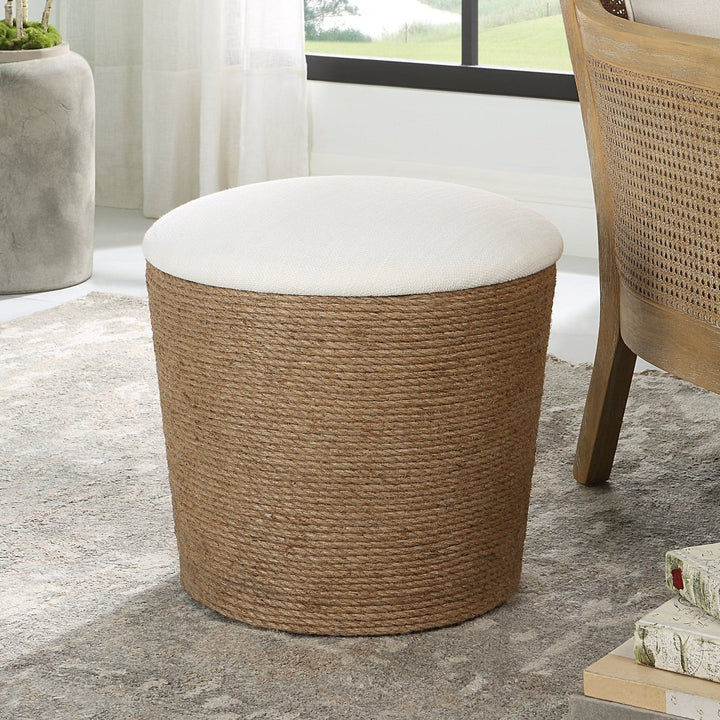
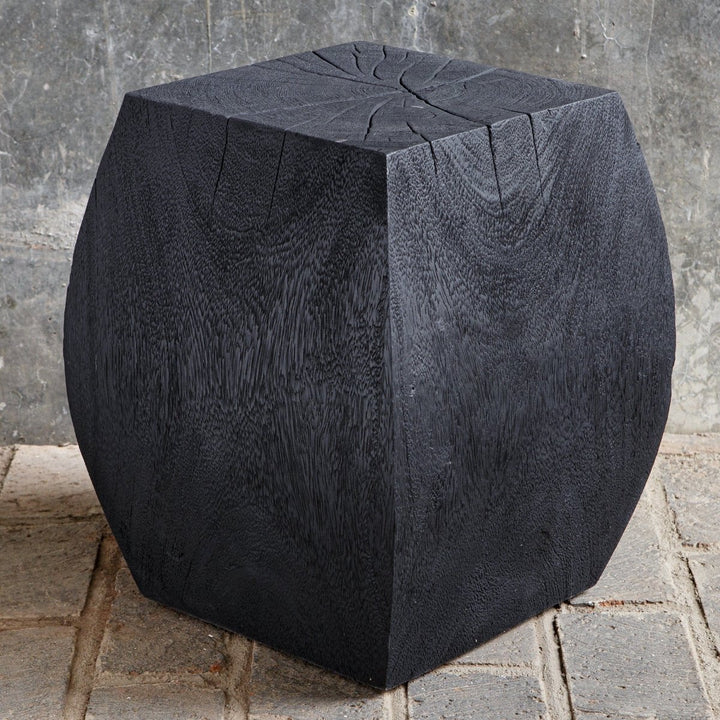
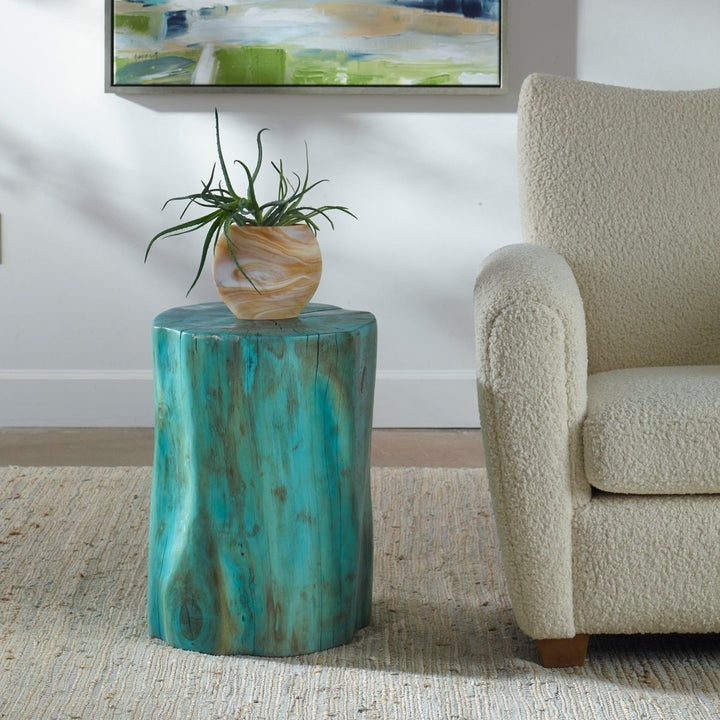
Featured Modest Hut picks (clickable images)
Tip: each product image below uses the second image from the product gallery (never the first), and the entire image is clickable.
Want more options? Start with the full Accent Stools collection, then filter by the look you want (upholstered, wood, or ceramic garden stool styles).
FAQ
What is an accent stool used for?
Accent stools are flexible, small-scale pieces you can use as extra seating, a compact side table, a footrest, or a decorative accent. They’re especially helpful in rooms where you want function without committing to another full-size chair.
Can an accent stool be used as a side table?
Yes. Many accent stools work well as side tables—especially styles with a flatter top. For daily use, add a small tray so cups and decor sit securely.
How tall should an accent stool be?
Most accent stools fall in the 16–20" height range. For the most intentional look, keep the stool height within about 2" of the seat height of the chair or sofa it sits next to.
How do I style an accent stool so it doesn’t look random?
Repeat one finish from the room (black metal, brass, or a wood tone) and keep the styling simple: a tray + one object, a single book stack, or nothing at all if the stool is sculptural.
Are solid wood accent stools all the same?
No—solid wood pieces often have natural grain variation, small cracks, and unique patterning. That variation is part of the character, especially in handcrafted styles.
Shop the look
Products mentioned in this article
Every product link in the article can surface here automatically as a clickable image card, so readers can move from inspiration to shopping without hunting through the text.



Leave a comment
This site is protected by hCaptcha and the hCaptcha Privacy Policy and Terms of Service apply.