

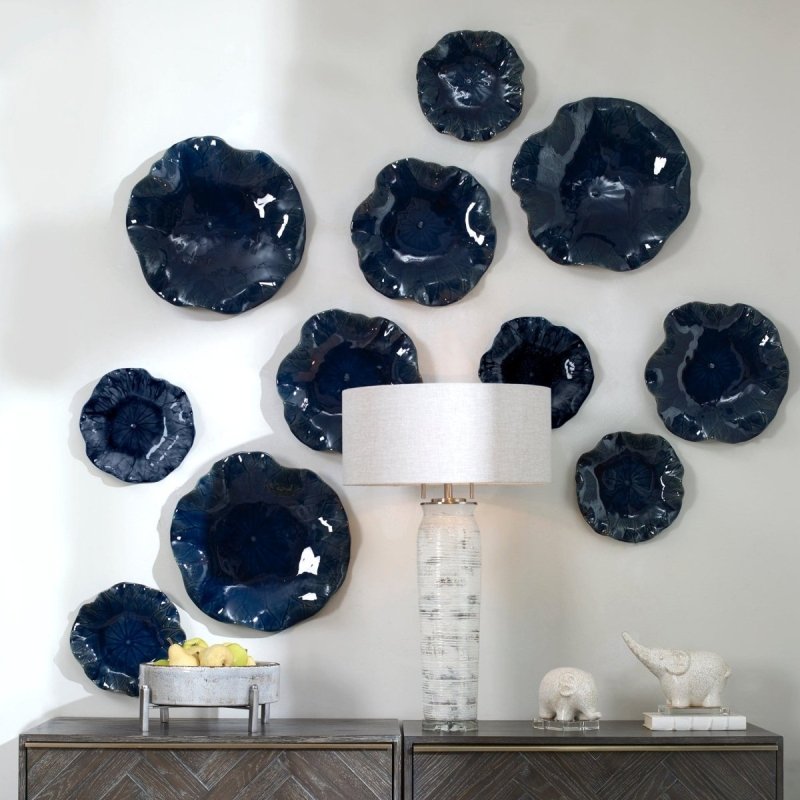
Ceramic Wall Decor Ideas for Modern Homes
Discover how ceramic wall decor adds color, texture, and dimension to modern interiors. Explore styling ideas, placement tips, and inspiration for creating a refined, designer-inspired space.
Ceramic wall art brings something special to a room that flat artwork often cannot: depth, texture, shadow, and a handmade character that changes throughout the day as natural light moves across the surface. If you love spaces that feel layered rather than one-note, ceramic wall decor is one of the easiest ways to add dimension without overwhelming the room.
That said, ceramic pieces need a little more thought than a standard framed print. Scale matters more. Spacing matters more. The finish matters more. And because the material already carries so much visual texture, the supporting decor around it needs to feel intentional. This guide walks through how to choose ceramic wall art, where to place it, what to pair it with, and how to make it feel refined in a modern home.
If you want to browse options while you read, start with Modest Hut’s ceramic wall decor collection and the broader wall decor collection.
What Makes Ceramic Wall Art Different
Ceramic wall art sits in the sweet spot between wall sculpture and traditional artwork. It has form, depth, and surface variation, but it still reads as part of the wall plane. That makes it especially useful in rooms that already have enough furniture but still feel visually flat.
In modern interiors, ceramic wall pieces are often most effective when the room needs one of three things: a natural material contrast, a more tactile focal point, or a softer counterbalance to metal, glass, stone, and clean-lined upholstery. If your room already has smooth finishes everywhere, ceramic decor can keep the space from feeling overly polished or sterile.
Another advantage is versatility. Ceramic wall art can lean coastal, organic modern, quiet luxury, earthy contemporary, or sculptural minimalist depending on color, silhouette, and arrangement. That flexibility is why it deserves its own styling approach rather than being treated like generic wall decor.
How To Choose The Right Piece
- Start with the wall, not the product. Measure the open visual space first. A piece that looks substantial on a product page may read too small once it is floating above a wide console, bed, or sofa.
- Decide whether you need one focal piece or a grouped composition. A set works well when you want movement across a wall. A single large piece works better when the room already has a lot going on.
- Match the finish to the room’s existing palette. Matte white ceramics feel airy and architectural. Blue ceramics add contrast and can echo coastal or cool-toned textiles. Mixed earthy tones feel grounded and organic.
- Think about edge softness. Ceramic wall art often has rounded or hand-shaped lines. That makes it especially useful near boxier furniture like rectangular consoles, squared sectionals, or straight-panel headboards.
If you are unsure where to begin, look at the room’s largest hard surfaces. Dark woods, black metals, and stone tops typically benefit from lighter ceramics. Pale upholstery and white walls often look stronger with a little color variation or a more sculptural silhouette.
Best Rooms For Ceramic Wall Art
Entryways
An entry is one of the best places for ceramic wall decor because visitors experience it up close. Texture has more impact at that distance. Use ceramic pieces above a console when you want something warmer and more dimensional than a mirror, or mix ceramics with a mirror if you want both reflection and sculptural interest. If you are debating those two directions, this related post on art versus a mirror for the foyer is a useful companion read.
Living Rooms
In a living room, ceramic wall art works best when it is allowed to breathe. It should not compete with too many tiny accessories on the media unit or console below it. Keep the surrounding styling quieter so the wall piece becomes the source of texture. This is also the room where grouped sets can shine because they spread visual energy across a wider wall.
Dining Rooms
Dining rooms often benefit from art that feels elevated but not too formal. Ceramic wall decor adds substance without the heaviness of oversized framed pieces. It also plays beautifully with wood tables, plaster finishes, linen drapery, and aged brass lighting.
Bedrooms
In bedrooms, ceramic art can soften the typical symmetry of bed, nightstands, and lamps. If your bedroom already has upholstered textures and layered bedding, choose a cleaner ceramic silhouette. If the room is more minimal, look for pieces with relief, petal forms, or carved surfaces to introduce depth.
Placement Rules That Keep It Looking Custom
The biggest mistake with ceramic wall art is hanging it as if it were generic framed art. Because ceramic pieces cast shadow and often have irregular shapes, they need a little more breathing room.
- Hang the center of the composition at a comfortable viewing height, then adjust slightly for furniture below it rather than following a rigid formula.
- Leave enough negative space around grouped pieces so each form reads clearly.
- Repeat curves elsewhere in the room, such as a rounded mirror, vase, or soft-armed chair, so the wall piece feels integrated.
- Use lighting intentionally. Ceramic surfaces look better when they catch side light or soft ambient light instead of sitting in a dark corner.
If you want a deeper placement walkthrough, Modest Hut’s wall decor placement guide is a helpful follow-up.
What To Pair With Ceramic Wall Art
Ceramic wall decor looks strongest when the materials around it support the same design language. Think in terms of texture balance rather than exact color matching.
- Wood: adds warmth and keeps ceramic pieces from feeling too gallery-like.
- Linen and boucle: soften the room and echo the tactile quality of the ceramic surface.
- Stone and marble: create a refined material mix, especially when the ceramic finish is matte rather than glossy.
- Metal accents: keep the room from skewing too rustic. A little brass, bronze, or black metal helps modernize the look.
If your style leans more layered and collected, ceramic wall art can sit alongside shadow boxes and mixed-media pieces. In that case, browse the shadow boxes collection and the related article on shadow box wall decor. If your room is flatter and more graphic, you may prefer balancing ceramics with framed pieces instead, which is where framed prints versus canvas becomes useful.
Common Mistakes To Avoid
- Going too small: ceramic texture is part of the appeal, but if the piece is undersized the effect disappears from across the room.
- Overcrowding the wall: grouped ceramic pieces need space between them so the sculptural edges can read.
- Ignoring the undertone: crisp white ceramics, creamy off-whites, blue glazes, and sandy neutrals all create different moods.
- Competing with too many accessories below: if the wall art is textured and detailed, keep the tabletop styling edited.
Shop Ceramic Wall Decor From Modest Hut
These four pieces are all pulled from the live ceramic wall decor collection. The images below use the verified second gallery image from each product card so shoppers can see an alternate view right away.

Ocean Gems Coral Wall Decor, Set/3
A strong choice for coastal, organic modern, or neutral spaces that need movement and texture without heavy color.

Abella White Ceramic Wall Decor, S/3
Best for rooms that need an airy, architectural look and a textural focal point that still feels light.

Abella Blue Ceramic Wall Decor, S/3
A smart pick when you want ceramic texture plus a cool-toned accent that ties into blue textiles or coastal palettes.

Abella Flowers Wall Decor (S3)
Ideal if you want the softness of a botanical motif without introducing traditional floral artwork.
For a wider assortment, continue shopping the full ceramic wall decor collection.
Final Takeaway
Ceramic wall art is at its best when you use it to create contrast: smooth against textured, straight against curved, quiet against sculptural. It can make a neutral room feel more collected, give a modern room more soul, and add visual depth without depending on bold color. If you choose the scale carefully and leave enough space around the piece, ceramic wall decor can look far more custom than a standard framed print.
The goal is not to fill a blank wall as quickly as possible. The goal is to give the room a focal point with shape, material, and presence. Ceramic wall art does exactly that when it is chosen with the room’s proportions and finishes in mind.
FAQ
Is ceramic wall art better than framed art for a modern room?
It depends on what the room needs. Ceramic wall art is better when you want depth, texture, and a more sculptural look. Framed art is usually better when you want a flatter, more graphic focal point.
Where should ceramic wall decor go in a home?
Entryways, living rooms, dining rooms, and bedrooms are all strong options. Ceramic wall pieces work especially well above consoles, sideboards, and beds where they have room to breathe.
How much space should I leave between grouped ceramic pieces?
Leave enough space for each shape to read clearly from a distance. If the pieces feel visually crowded, the sculptural texture gets lost.
What decor pairs best with ceramic wall art?
Wood, linen, boucle, stone, and restrained metal accents all pair beautifully with ceramic wall art because they support the same layered, tactile look without competing with it.

Written by Barrett Woodward


Leave a comment
This site is protected by hCaptcha and the hCaptcha Privacy Policy and Terms of Service apply.