

Top 10 Interior Design and Decor Trends | 2026 - Blog
Designing a home that feels modern, elevated, and livable in 2026 is all about choosing the right statement pieces—then letting them breathe. Interior designers are leaning into warm minimalism, sculptural silhouettes, and layered textures that look curated (not cluttered).
In this guide, you’ll find the top 10 interior design & decor trends for 2026, plus practical ways to apply each one using modern lighting, accent tables, outdoor furniture, modern coffee tables, and wall decor from Modest Hut.
Key Takeaways
- Modern lighting is now “functional sculpture”—think bold chandeliers, layered lamps, and dimmable ambience.
- Coffee tables and end tables are getting softer shapes, mixed materials, and more intentional sizing.
- Outdoor spaces are being styled like living rooms—comfortable seating, real focal points, and durable finishes.
- Wall decor and mirrors are going dimensional: metal pieces, oversized mirrors, and gallery-style layering.
- 2026 style is “designer-clean,” but warmer—more texture, more depth, and fewer random accessories.
1) Warm Minimalism (Clean, But Not Cold)
Minimalism isn’t going anywhere, but 2026 minimalism is warmer and more personal—less sterile white boxes, more natural tones, texture, and depth. The goal is an airy space that still feels comfortable.
What’s changing is the “temperature” of the room. Instead of crisp white-on-white, designers are using soft neutrals like warm ivory, oat, sand, mushroom, and greige—then adding texture to keep things from feeling flat. Think bouclé, linen, lightly grained woods, matte ceramics, and low-sheen finishes that soften the edges of a space.
Warm minimalism also leans into negative space on purpose. Rather than filling every surface, the room is styled so your eye can rest—one intentional coffee table moment, one oversized art piece, and a few accessories that are sculptural instead of busy. The result feels elevated because everything has a job: function, comfort, or visual impact.
Start with fewer, better pieces: a sculptural light fixture, one strong coffee table, and wall decor that adds dimension without visual noise. Explore modern home decor that stays clean while still feeling finished.
2) Statement Lighting as Art
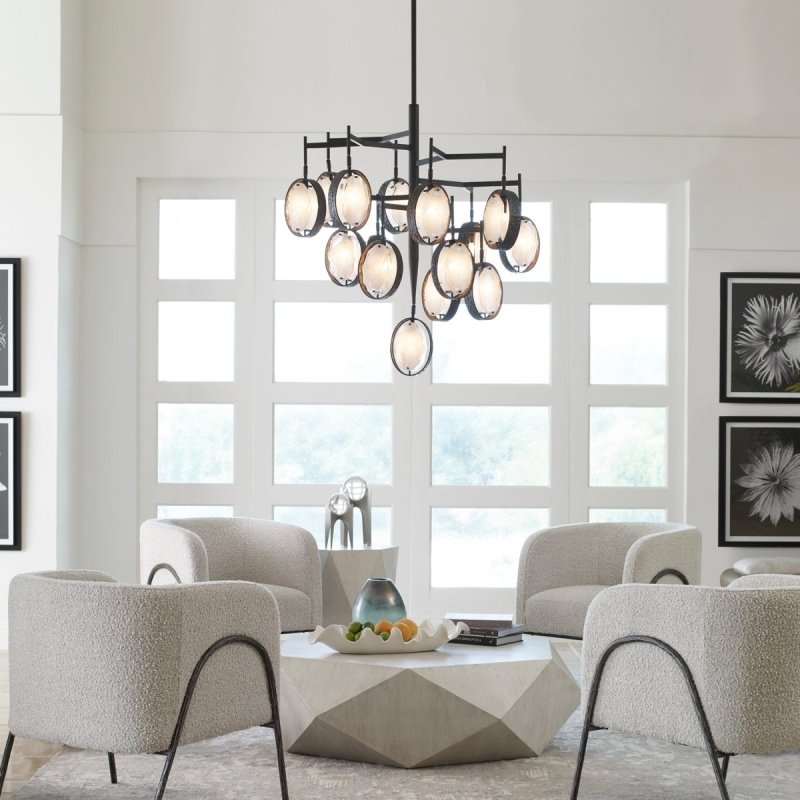
The fastest way to make a room look “done” is upgrading the lighting. In 2026, the fixture is the focal point—especially over dining tables, living rooms, and entryways.
Lighting is being treated like a centerpiece: it sets the tone in the daytime, then becomes the “jewelry” of the room at night. Designers are choosing fixtures with strong silhouettes—branching arms, globe clusters, sculptural drums, and modern midcentury-inspired shapes—because the right chandelier or pendant instantly raises the perceived quality of the entire space.
Placement matters more than ever. A statement fixture over a dining table should feel centered and intentional, while in living rooms the goal is balance—using overhead lighting as one layer, not the only layer. The best rooms combine a bold fixture with softer light sources that wrap the space in a warm glow.
If you want your space to feel expensive, prioritize dimming and color temperature. Warm bulbs (often 2700K–3000K) and a dimmer switch can transform the same room from bright and functional to intimate and high-end in seconds.

Browse more fixtures here: Modern Lighting. For a “designer” look, layer your lighting: overhead + table/floor lamps + one accent source (like a sconce or warm LED strip).
3) Mixed Metals (Curated Contrast)
Matchy-matchy finishes are out. 2026 interiors mix metals on purpose—think matte black + brushed brass, or warm bronze + polished nickel. The trick is repeating each metal at least twice so it looks intentional.
The modern approach is to choose a “dominant” metal and a “supporting” metal. For example, you might use matte black for hardware and frames, then bring in brushed brass through lighting or accents. Or go warmer overall with antique brass and bronze, then add small hits of polished nickel for sparkle and contrast.
What makes mixed metals look curated is rhythm. Repeat a finish in different areas of the room—light fixture, mirror frame, table base, and a small accessory—so it feels like a design decision, not a mismatch. If your room has a lot of one metal already (like chrome plumbing), use the other metals to soften or modernize the vibe.
Easy wins: black hardware + a warm chandelier, or a mirrored console with a darker wall decor piece. Start with lighting first, then repeat accents through tables and decor.
4) Sculptural Accent Tables (Small Piece, Big Impact)
Accent tables are having a moment because they do so much: they break up boxy layouts, add visual rhythm, and make seating areas feel styled. In 2026, look for sculptural bases, mixed materials, and “gallery object” silhouettes.
Designers are using accent tables to add shape where rooms feel too rectangular—round, oval, or softly squared silhouettes help relax a layout. Even a single sculptural table can change the feel of a seating area because it introduces curvature, shadow, and texture without requiring a big footprint.
Material mixes are a big part of the trend: stone-look tops with metal bases, wood with matte finishes, and tables that feel almost like small sculptures. The best ones look intentional from every angle—especially in open-concept spaces where furniture is viewed from multiple sides.
Styling is simple: treat the accent table like a mini-display. One lamp or vase, a small stack of books, and one textured object is usually enough. The rest is negative space, which is what makes it look designer instead of cluttered.

Shop the full collection: Accent Tables and Living Room End Tables.
5) Coffee Tables That Fit (Proportion Becomes the Style)
In 2026, the “right” coffee table size is part of the aesthetic. Too small looks accidental. Too large crowds the room. Designers are prioritizing proportion, clearance, and shape—especially for modern living rooms.
This trend is all about making the room feel intentional at first glance. A coffee table that’s sized correctly makes the whole seating layout feel balanced—even if everything else stays the same. That’s why proportion is becoming a style choice, not just a practical one.
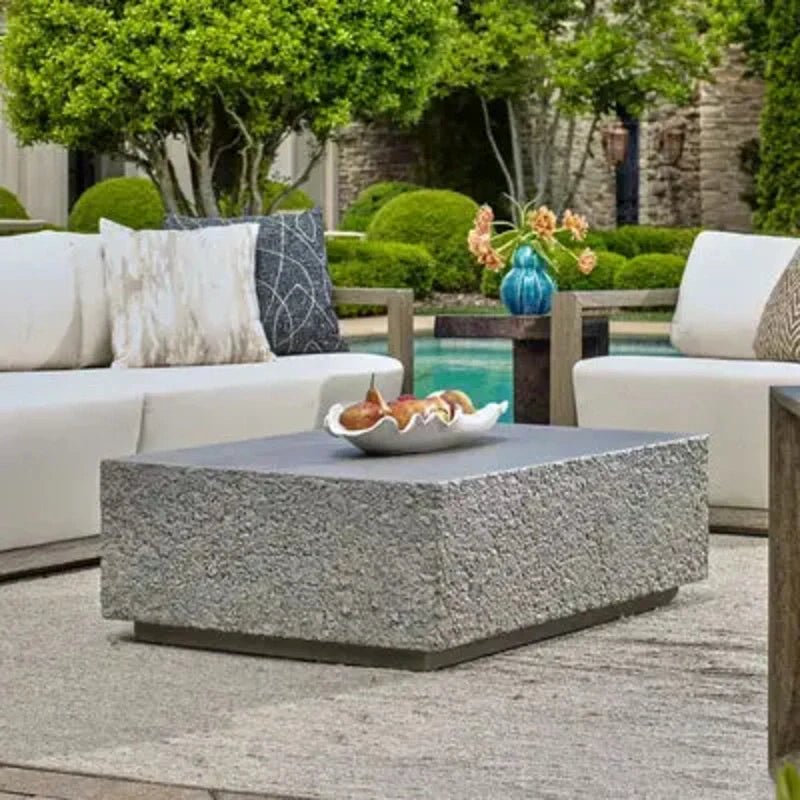
Shapes are getting softer too. Rounded corners, ovals, drum tables, and organic silhouettes are everywhere because they make the flow around seating more comfortable (and they visually soften modern rooms). Mixed materials—like dark finishes with lighter textures—also help the table feel like a statement instead of an afterthought.
Think about how you actually use the table: if you host, you want surface area; if you lounge, you want comfortable reach; if you have a smaller space, nesting or two-piece styles can create flexibility without crowding. The goal is a table that fits your lifestyle while still looking designed.

Want sizing help that looks designer instead of random? Use this internal guide: Coffee Table Sizing Guide.
Shop tables here: Modern Coffee Tables.
6) Indoor-Outdoor Living (Your Patio Becomes a Real Room)
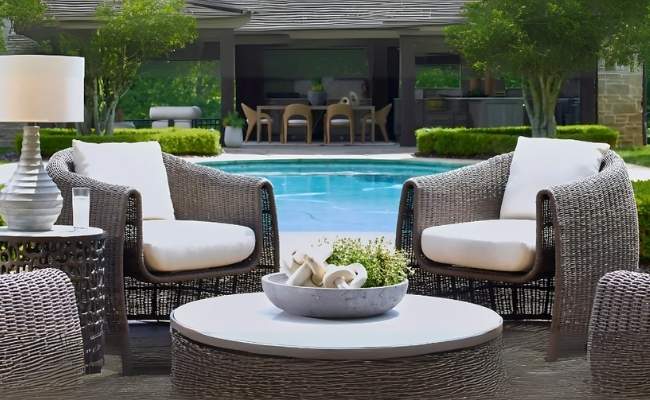
The “new outdoor collection” trend is simple: outdoor spaces are now styled like interiors—comfortable seating, layered lighting, and focal-point decor. Modern outdoor furniture is designed to hold up while still looking high-end.
In 2026, patios aren’t an afterthought—they’re designed as true extensions of the home. That means outdoor layouts are getting “living room logic”: a defined seating zone, a coffee table or side tables within reach, and decor that adds personality without looking fragile.
Materials and finishes are also getting smarter. Modern outdoor pieces are built to handle sun and weather while still looking refined—clean silhouettes, neutral palettes, and textures that read warm and natural. The best outdoor rooms feel calm and curated, not like a random mix of patio items.
To make it look designed, focus on three things: comfort (real cushions and supportive seating), cohesion (matching undertones and finishes), and one focal point (a statement table, sculptural chair, or bold outdoor lighting). A few intentional accessories—like an oversized bowl, lanterns, or a sculptural planter—go a long way.

Explore the outdoor collections: Modern Outdoor Furniture and Outdoor Tables.
7) The 2026 “Layered Ambience” Formula
One overhead light isn’t enough anymore. Designers are building atmosphere with layers: warm overhead + side lighting + subtle accent illumination. This makes modern rooms feel expensive and comfortable at the same time.
This is the “secret sauce” trend because it changes how the room feels, not just how it looks. Layered ambience uses multiple light sources at different heights—ceiling, eye level, and low-level glow—so the space feels dimensional instead of flat.
A simple way to apply it: start with your statement fixture as the anchor, then add two secondary sources like a floor lamp and a table lamp. Finish with one subtle accent—maybe a sconce, a picture light, or an LED strip tucked behind a console or under a shelf. The goal is a soft gradient of light that makes the room feel calm and intentionally styled.
Lighting control matters too. If you can dim your overhead fixture and at least one other lamp, you can switch the entire mood of the room depending on the time of day. It’s one of the easiest ways to make a modern space feel more luxurious.
For energy-efficient lighting choices (and why LEDs matter), here’s a useful reference: ENERGY STAR light bulb guidance.
8) Dimensional Wall Decor (Not Flat Prints Only)
2026 walls are getting depth: metal wall decor, sculptural pieces, layered frames, and mixed materials. This is especially strong in living rooms and entryways where a flat print can feel unfinished.
The trend is moving away from “one framed print in the center” and toward wall moments that feel architectural. Dimensional pieces add shadow and texture, which makes the room look richer—especially in neutral, modern spaces where depth is the difference between “nice” and “designer.”
Metal wall decor is especially popular because it reads sculptural without adding visual clutter. It catches light, creates contrast, and looks polished in entryways and living rooms. Oversized pieces are also trending because they anchor a wall the way a large rug anchors a floor—instantly making the space feel more intentional.
If you love gallery walls, the 2026 version is calmer: fewer frames, larger scale, and more breathing room between pieces. Mixing materials (metal + wood + glass) is fine as long as the undertones match and the arrangement feels balanced.

Shop by category: Wall Decor and Metal Wall Decor.
9) Statement Mirrors + Console Styling
Mirrors are one of the most “high ROI” upgrades in modern interiors—more light, more depth, and an instant focal point. In 2026, oversized mirrors and clean-lined console tables are a favorite pairing for entryways and living rooms.
This pairing works because it solves multiple design problems at once: mirrors bounce light, visually expand the room, and create a strong vertical moment, while consoles add structure and a landing zone for styling. Together, they instantly make a space feel finished—even if the rest of the room is simple.
In modern interiors, look for clean frames and intentional scale. Oversized mirrors are trending because they feel architectural and make an entryway or living room wall feel designed. A console beneath it keeps the mirror grounded and gives you space for a small lamp, a sculptural bowl, or a curated stack of books.
To keep it modern, style with restraint: one lamp (or two matching lamps), one tall object for height, and one low object for contrast. Leave open space so the setup feels airy, not crowded. If you want a more dramatic look, pair a darker mirror with warm metallic accents or a softly textured wall decor piece nearby.


Explore: Modern Mirrors and Modern Console Tables.
10) “Fewer, Better” Styling (Intentional Accessories)
The final 2026 trend is the one that makes everything else look expensive: restraint. Designers are styling with fewer objects, but each one is higher impact—better shape, better finish, better scale. Think one sculptural bowl, one strong vase, one piece of wall decor that carries the whole wall.
This trend is about editing with intention. Instead of collecting lots of small decor items that compete for attention, designers are choosing a few pieces with presence—objects that look meaningful, feel tactile, and hold their own visually. That’s what creates the “curated” look people associate with high-end interiors.
Scale is the biggest shift. Larger accessories read more modern and calmer, while clusters of small items can quickly feel cluttered. If you want your room to look designer-clean, focus on one statement object per surface and let it breathe—then add one supporting item for contrast (height vs. low, smooth vs. textured).
Also, keep the palette consistent. Even if you mix textures, staying within a tight range of tones makes the styling feel cohesive. Think warm neutrals with a few darker anchors, or soft monochrome with metallic accents repeated throughout the room.
If you want a shortcut, build your room around one focal category (lighting, coffee table, wall decor), then add supporting pieces (end tables, mirrors, accessories) that repeat the same undertones and finishes.
Conclusion: How to Bring 2026 Trends Into Your Home
The best interiors in 2026 are modern, layered, and comfortable—clean lines with warmth, statement pieces with breathing room, and styling that looks intentional. If you only update a few things this year, focus on modern lighting, a properly sized modern coffee table, and one high-impact wall decor piece or wall mirror. Those three upgrades can transform a space fast.
FAQ
What are the biggest interior design trends for 2026?
Warm minimalism, statement lighting, sculptural accent tables, properly sized coffee tables, indoor-outdoor living, and dimensional wall decor are leading 2026 interiors.
What lighting styles look modern in 2026?
Modern chandeliers, sculptural pendants, layered lamps, and dimmable setups are key. A bold fixture that feels like art is the easiest upgrade.
How do I choose the right coffee table size?
Use proportion rules: aim for about two-thirds the sofa width and keep 14–18 inches of clearance from seating. For more detail, use the Coffee Table Sizing Guide linked above.
How do I style accent tables so they look designer?
Choose a sculptural shape, then style with 1–3 items max: a lamp or vase, a small stack of books, and one object with texture. Leave negative space.
What outdoor furniture trend is popular in 2026?
Outdoor spaces are styled like interiors—comfortable outdoor sofas, real coffee tables, layered lighting, and focal-point decor that still holds up to weather.
What wall decor looks best for modern homes?
Dimensional wall decor (especially metal wall decor) and oversized mirrors create depth, reflect light, and look more finished than flat prints alone.

Written by Barrett Woodward


Leave a comment
This site is protected by hCaptcha and the hCaptcha Privacy Policy and Terms of Service apply.